
The First Hospital of Lanzhou University
General Thoracic
Member Since: 2026
Biography:
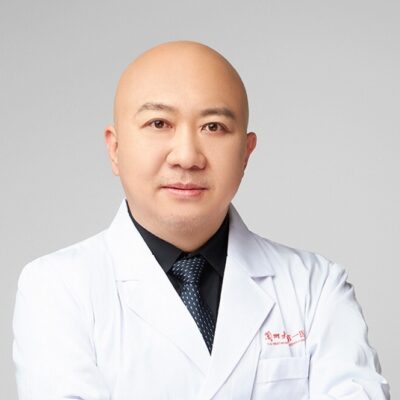
Professor Minjie Ma, MD, PhD, is the Chairman of Thoracic Surgery, and Director of the Internet Hospital at The First Hospital of Lanzhou University, China. As a pioneering leader in Western China, he has spearheaded the transformation of his department into a National Key Clinical Specialty. Professor Ma is a world-renowned expert in Robotic-Assisted Thoracic Surgery (RATS), complex VATS, and innovative esophageal reconstructions.
Beyond clinical excellence, he is a visionary in "Smart Surgery," leading the integration of AI-driven diagnostics and 3D-printing navigational templates. His research is featured in top-tier journals such as Radiology (IF 19.7), JMIR, and Nature Communications. He is the founder of the "Belt and Road" Thoracic Surgery Quality Control Alliance and the Chief Instructor of an international training program that has empowered surgeons from over 20 countries.
What Does the AATS Mean To You:
To me, AATS represents the "Gold Standard" and the spiritual home of surgical excellence. It is a unique sanctuary where centuries of surgical tradition meet the cutting edge of modern innovation. Being a member means belonging to a global community that demands intellectual honesty, technical precision, and a relentless commitment to pushing the boundaries of what is possible in cardiothoracic care.
My First Experience with AATS:
My first profound experience was attending the AATS Annual Meeting. I remember being mesmerized by the "Masters of Cardiothoracic Surgery" sessions. Witnessing world-class experts debate complex cases with such intellectual rigor and transparency changed my entire philosophy. It taught me that a surgeon's growth is a lifelong pursuit of both manual skill and scientific inquiry.
Why I became an AATS member:
I joined AATS to bridge the gap between the surgical community in Western China and global standards. I believe that geographic barriers should not limit clinical excellence. By joining, I aim to share our high-volume clinical insights and "Smart Surgery"
I plan on becoming more involved in the organization through:
I plan to actively contribute to the Artificial Intelligence Committee and the Education Committee. I am eager to help develop international standards for "Smart Wards" and to use our training base in Lanzhou as a hub to disseminate AATS-level surgical education throughout the "Belt and Road" regions.
What Does the AATS Mean To You:
To me, AATS represents the "Gold Standard" and the spiritual home of surgical excellence. It is a unique sanctuary where centuries of surgical tradition meet the cutting edge of modern innovation. Being a member means belonging to a global community that demands intellectual honesty, technical precision, and a relentless commitment to pushing the boundaries of what is possible in cardiothoracic care."
My career in CT Surgery was inspired by:
I was inspired by the unique blend of "mechanical precision" and the high-stakes, life-saving nature of the field. The ability to intervene in the human thorax—the very engine of life—and see immediate results is deeply rewarding. The digital transformation from VATS to robotics further ignited my passion for this specialty.
The biggest impact my mentor had on my career is:
My mentors taught me that "Technical mastery is the entry ticket, but lifelong humility and intellectual curiosity are the true hallmarks of a master." They modeled the importance of global vision and mentored me to lead with both heart and science.
The most pressing issues impacting CT surgery are:
The "Digital Divide" and global healthcare inequity. While we advance in robotics and AI, many regions still lack basic minimally invasive standards. Closing this gap through standardized education, like our "Belt and Road" initiatives, is the most pressing moral and professional challenge we face.
Advice for Trainees:
Build a solid foundation in traditional surgery to understand the "soul" of the craft, but never stop being a student of technology. In the future, the most successful surgeons will be those who can seamlessly navigate between a physical scalpel and a digital algorithm.