
TSOG 101
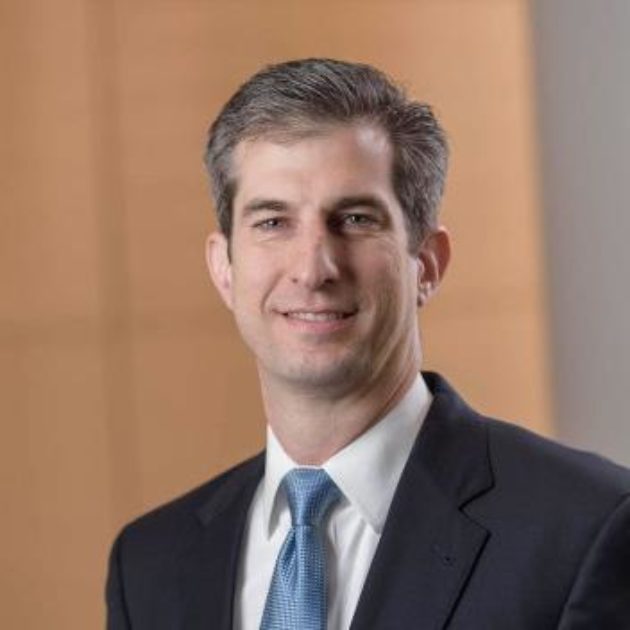
Dr. James M. Isbell, MD, MSCI, Memorial Sloan Kettering Cancer Center
Evaluation of perioperative circulating tumor DNA as a prognostic biomarker in patients undergoing neoadjuvant therapy for resectable non-small cell lung cancer.
The primary aim of this study is to determine the validity of using quantitative ctDNA as a surrogate marker for pathologic treatment response in patients receiving neoadjuvant therapy for stage IIA-IIIB NSCLC who are undergoing curative-intent resection
TSOG 102

Dr. James Huang, MD, Memorial Sloan Kettering Cancer Center
Registry trial of active surveillance for multifocalground glass opacities (GGOs).
The primary objective of this study is to determine lung cancer–specific survival at 5 years in patients undergoing active surveillance for GGOs.
Dr. Huang provided a brief invited commentary to JTCVS on behalf of TSOG about the completion of accrual for TSOG 102.
View the Commentary on JTCVSTSOG 103
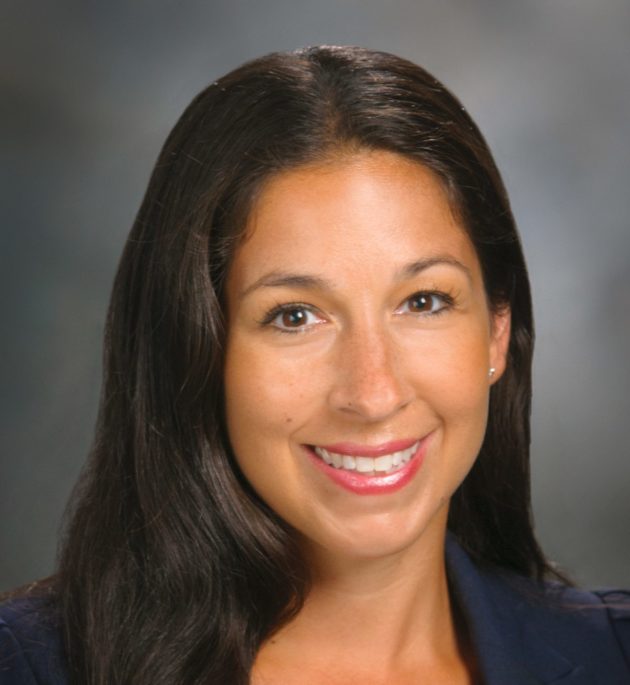
Dr. Mara Antonoff, MD The University of Texas MD Anderson Cancer Center
“The role of multimodality management in risk-stratified patients with lung-limited metastatic colorectal cancer.” —TSOG 103
The primary objectives of this study are to compare recurrence-free survival in patients with “low-risk” lung-limited mCRC undergoing pulmonary metastasectomy with or without perioperative chemotherapy, as well as to compare overall survival in patients with “high-risk” lung-limited mCRC receiving systemic chemotherapy with or without surgical resection.
Additional exploratory objectives involve the evaluation of changes in ctDNA following surgical resection and/or systemic chemotherapy in patients with lung-limited mCRC.
"Outcomes and lessons learned from TSOG 103: Multimodality management in risk-stratified patients with lung-limited metastatic colorectal cancer,” represents the culmination of TSOG’s collaborative efforts and data gathered through the study. The manuscript was published in JTCVS Opens in 2026.
View the ManuscriptTSOG 104

Dr. Harvey Pass, MD, New York University Langone Medical Center
A prospective, non interventional, trial evaluating the diagnostic accuracy of FBLN3 for mesothelioma pleural effusions.
The primary objective of this study is to prospectively create a virtual reference set of pleural effusion samples from patients referred for treatment of a pleural effusion which can be used for future biomarker discovery and validation studies.
TSOG 105

Benjamin D. Kozower, MD, MPH, Washington University in St. Louis Washington ; Varun Puri, MD, MS, Washington University in St. Louis ; Clifford Robinson, MD, Washington University in St. Louis
Comparing the effectiveness of surgery versus stereotactic body radiation therapy for stage I non-small cell lung cancer (SORT).
The primary objective of this study are to compare disease-free survival (DFS) and short – and long-term patient reported outcomes (PROs) between surgery and SBRT in stage I NSCLC patients.
TSOG 107

Paula Ugalde, MD, Brigham and Women’s Hospital
Maximizing Lymph Node Dissection on Fresh and Fixed Lung Cancer Resection Specimens.
The primary objective of this study is to compare the number of stations and lymph nodes samples when adopting a standardized technique compared to the conventional (prior technique).
TSOG 108

David R. Jones, MD, Memorial Sloan Kettering Cancer Center ; Alper Toker, MD West Virginia University ; Scott Swanson, MD, Brigham and Women’s Hospital
Pulmonary Segmentectomy for Lung Cancer: A Real-World International Registry.
The primary objective of this study is to determine 3- and 5- year disease free survival (DFS) among patients undergoing pulmonary segmentectomy for clinical stage I lung cancer.
TSOG 110
James M. Isbell, MD, MSCI, Memorial Sloan Kettering Cancer Center, AstraZeneca
Phase II Trial of Neoadjuvant Trastuzumab Deruxtecan for Patients with Stage II-III HER2-Amplified or HER2-Mutated Non-Small Cell Lung Cancer (HERCULES).
Study to evaluate response rates to neoadjuvant trastuzumab deruxtecan (T-DXd) in resectable HER2-mutated or -amplified, clinical stage II-III NSCLC
TSOG 111

Nasser Altorki, MD, Weill Cornell Medicine, Regeneron
Multicenter randomized phase II trial of neoadjuvant radioimmunotherapy versus chemoimmunotherapy in patients with clinical stages II and III (N2) non-small cell lung cancer.
To determine whether neoadjuvant focal SBRT combined with cemiplimab is associated with a higher rate of complete pathological response compared to chemotherapy plus cemiplimab.